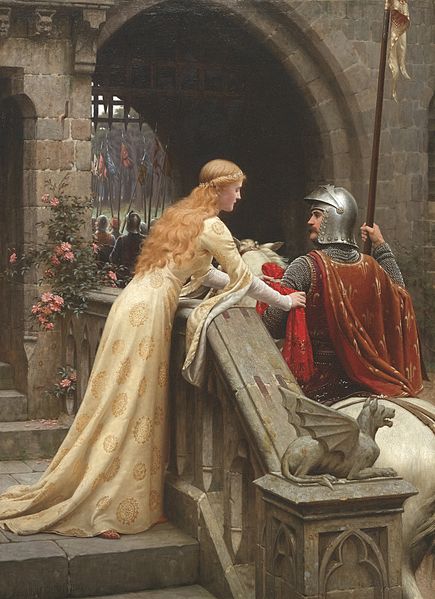
As I allow myself to open to the NEW.... I realize that I have always been an explorer; looking for or seeking the "unknown" or what is yet to be discovered. I have felt the need lately to slow down and integrate or assimilate all that I have acquired and taken in so far.
As a very young child.... I was extremely fearful of men. I had no context for this as my father was a very gentle and loving being, who never harmed me in any way. I am now realizing that it was my spiritual body that was feeling trapped.
In my teen or early adolescent years I truly started to feel as if I was in solitary confinement, perhaps a box, or prison cell. This became stronger when I found myself within a "marriage" of which I somehow knew wasn't right for me. My spouse was almost the extreme opposite of who I felt myself to be. It seemed that no matter whom I confided in.... I was neither listened to or supported in my feelings.